Showing posts with label Music industry. Show all posts

Wednesday, December 15, 2010

Week 9 (music success in 9 weeks)

Creating a continuum program

Continuum

The final chapter in Music success in 9 weeks is a recap of previous weeks, and a look to the future.
The idea is to create a way to get fans to buy from you on a regular basis.

Some of the plans we want to put into action from next year:

  • Fanclub for kids, with free gifts when they join
  • Monthly newsletter
  • Freebies in every newsletter (MP3 downloads, videos etc)
  • Competitions
  • Merchandise for sale
  • Teacher’s packs for use in classrooms

And we’re hoping to bring out 2 more albums in the series in 2011.


These 9 weeks have flown by, and I have learned a lot. More than anything it highlighted the need for setting up systems, and routines. I have a ton of ideas to begin implementing in 2011, and we will be more structured and focused in our future marketing/P.R. campaigns.

I intend referring back to the book on a regular basis, and will post further updates on our progress in 2011

Thanks Ariel for giving us some great tools! And thanks to all the other blog contestants for offering great advice on the forums!


Graeme Sacks

http://www.africantreehouse.com

http://www.facebook.com/AfricanTreehouse

http://twitter.com/AfricanABC

Monday, December 13, 2010

Week 8 (music success in 9 weeks)

Networking tips

Going cheap! Only 1 owner!Week 8 is about networking IRL (in real life).

Best tip: (from the music success in 9 weeks book) “The more they talk, the more memorable you are”. People love to talk about themselves, so asking them questions about themselves & what they do makes you more memorable to them…
BUT: I’m not selling a dodgy used car to someone I hope never to see again. Networking is about building relationships. I truly believe in my music (I still find it difficult to call it my “product”). That said, when I’m at a conference/gig/event etc where there are networking opportunities I try to make real connections, and therefore ask people real questions about themselves that I am really interested to know the answers to.

Follow up: When I’m networking with people I ask if they would mind me contacting them, and when would be convenient time for them. This way I make sure that they are expecting my call.

Graeme Sacks

http://www.africantreehouse.com

http://www.facebook.com/AfricanTreehouse

http://twitter.com/AfricanABC

Friday, December 10, 2010

Week 7 (music success in 9 weeks)

Alphabet tree cover

How to build your mailing list

This weeks’ chapter goes hand in hand with week 6, which was about writing newsletters

Firstly, some of the previous ideas have already helped to grow our mailing list: Giving away free songs on our website and getting a blogs review our CDs and/or host CD giveaways. Our Facebook page has grown from by about 40 fans in the past two weeks!

I am slowly trying to mine my email inbox, CD Baby sales reports and Facebook page for prospective mailing list recipients. I’m planning to start sending out the first emails towards the beginning of next year. I feel that some planning is needed first, and am also brainstorming ideas for a kids fan club.

I love the idea of devoting a set time each week to growing the list. In fact my creative partner and I have realised the necessity of a weekly meeting to plan ahead, and to divide the marketing/P.R. and distribution work up accordingly.

Graeme


Graeme Sacks

http://www.africantreehouse.com

http://www.facebook.com/AfricanTreehouse

http://twitter.com/AfricanABC

Thursday, November 25, 2010

Week 6 (music success in 9 weeks)

Connecting with fans via newsletters

Postbox

As the weeks go by, I’m getting busier, and the tasks are becoming more difficult.

This weeks’ chapter is titled “Connecting with fans via your newsletter list & conducting surveys”.

Until now, I’ve only contacted fans on my mailing list to announce specials or new releases, once or twice a year (AKA “Spam”?). I now realise we have a long way to go. Firstly we need to build up a substantial “fan base”. As a direct result of ideas garnered from “Music success in 9 weeks” this is actually slowly happening via these blog posts, our Facebook page and the “freebies” on our website.

My creative partner and I have spent hours discussing this chapter and how to go about writing engaging newsletters that will be read by fans, and will be interest/value to them. Since there isn’t much of a live aspect to what we do we struggled to find ideas to write about, but eventually hit on something:

As a kid, in pre-Internet days (no comment on my age here!) fan clubs were the thing. You’d write in to an address on a cereal box/newspaper/magazine (and perhaps have to send a small fee) and receive a parcel in the mail a few weeks later. There would be stickers, badges, a colouring in book and various other odd-and-ends. But aside from the free gifts, you were now part of a special, members-only club. Then there would be the writing/drawing/colouring-in competitions to keep members engaged. Prizes were often a just a poster and a certificate with the winners name hand written neatly with a calligraphy pen.

So the kids fan club is one of the ideas we’ll be pursuing in the new year.

I also love the idea of creating surveys: I’d love to know more about how teachers use our songs in the classroom, which songs kids enjoy and which ones they don’t. There are many things we can learn from surveys that will help us with every aspect of our business plans.

We have some more brainstorming and planning to do regarding the ideas listed above, but look forward to implementing them in due course!

Graeme


Graeme Sacks

http://www.africantreehouse.com

http://www.facebook.com/AfricanTreehouse

http://twitter.com/AfricanABC

Thursday, November 18, 2010

Week 5 (music success in 9 weeks)

Blogging

A bit of everything

When I started Music success in 9 weeks, I was going through a quiet spell. My new album was completed, I didn’t have too many gigs and other than a few small studio projects, I figured it was the perfect time to tackle this blog challenge. Then things went crazy. The last two weeks brought on a whirlwind of rehearsals, gigs, sessions and an educational project for a school in Soweto. Which brings me to a point highlighted in a blog by a fellow challenger Meghan Morrison: I’m currently marketing “African Numbers”, an African-style, “world music” CD for kids. But that’s not all I do. I’m a freelance guitarist, a composer, jingle writer, music teacher, studio owner/engineer.

In her book “Music success in 9 weeks” Ariel Hyatt highlights the importance of having a consistent look and message across all platforms. I’m finding this rather difficult to do. The only consistent thing about my career is the fact that every aspect of it revolves around music.

Onto this week’s chapter….

A few of things in the book regarding blogging aren’t new to me as I’ve been blogging for a couple of years now. But something that stood out for me was the instruction to “Identify 50 blogs where you want to be reviewed.” I have had a few reviews on blogs (mainly through my connection with the bloggers via Twitter). BUT FIFTY!? That is a challenge. And I’m always up for a challenge. So I am going to start working towards this goal.

Thursday, November 4, 2010

Week 4 (music success in 9 weeks)

Social Networking

African Numbers, inside CD sleeve

The task this week is to setup and learn how to “water your social media garden”

(In case you haven’t been following, here’s what this is all about: “Music success in 9 weeks”)

Twitter

I’ve already been active on Twitter for around two years http://twitter.com/AfricanABC I’ve found it to be one of the most valuable tools for spreading the word about my music. I’ve made many connections with people, and the relationships are often symbiotic. This isn’t a platform to push products, rather it is a platform to connect with people. If people I follow are producing music/literature/art or any product that I think is valuable or interesting, I will share the info with my followers on twitter. Almost every review or article that has been published about our music has been through my twitter friends. Some examples: Portfolio Collection Harassed Mom Times Live


Facebook

I started a Facebook group a couple of years ago, and made a rather unfortunate mistake in doing so: I invited, coaxed and cajoled all of my personal Facebook friends to join the group. I had a few hundred fans in days. Then I began to push the kids CD and promote live kids shows which we were doing at the time. I did this regularly for months. Then one day I bumped into a friend who mentioned that she had hidden all posts from my Facebook group. Turns out I was posting way too often, and the majority of people that I had enticed to join the group were not in the least bit interested in kids music! So I sent an email to the entire group announcing the closure of the group and apologising for the spam. I also announced a new fan page (http://www.facebook.com/AfricanTreehouse) and requested that people only join if they are interested in kids music. So from a few hundred fans, I ended up with around 50 on the new page. Its growing a little every month and I’m planning a contest to get more fans. But the best thing is that those who joined the new fan page are there because they want to be there.


MySpace

By the time I had got into social networking (around 2 years ago) MySpace was dying. I decided that Facebook & Twitter (and my website) were enough. MySpace has recently been revamped so I may reconsider.


YouTube

We have a YouTube presence, but I guess I should try and update it a bit more regularly http://www.youtube.com/user/AfricanABC


Music Alley

I had never even heard of Music Alley before reading “Music success in 9 weeks”! It is a fantastic site for podcasters to source music for their podcasts. I have just signed up and uploaded some tracks. Too soon to tell if any of our music will be used, but watch this space….

Tuesday, October 26, 2010

Week 3 (music success in 9 weeks)

Week 2 was about creating the perfect pitch…we’ve created a pitch. But is it perfect? It’s a work in progress!

Screen shot

This week is about optimising the website: http://www.africantreehouse.com

Some of the concepts suggested in “Music success in 9 Weeks

  • We’ve added our current pitch to the site.
  • It should load in less than 3.5seconds…however with our “broadband” speeds in South Africa, this is rather difficult to ascertain! I think it loads fairly quickly though.
  • I ditched the flash site months ago. It was slow, and not compatible with all browsers.
  • I’ve added free downloads – and as a result have already had new fans sign up to the mailing list!
  • I try to keep the home page current, by regularly adding news & reviews.


Side Note: African Numbers got the most fantastic review from “Portfolio Collection”!

Tuesday, October 19, 2010

Week 2 (music success in 9 weeks)

The Pitch

The perfect pitch
We’re into week two of Music Success in 9 Weeks (you can read the intro here, and about week 1 here)

This week is all about building the perfect pitch.

This task has been rather difficult, but at the same time quite a valuable exercise. In Music Success in 9 Weeks Ariel Hyatt mentions that writing a good pitch is not unlike writing a song. And like so after much tweaking and many rewrites we ended up with something suitable. I use the phrase “ended up with” rather loosely as we may decide to make further adjustments later!
We needed something that describes our music, concept and outlook in a short, yet enticing way.
Some points that we wanted to convey:
  1. Our music is decidedly African. It’s earthy and authentic.
  2. Its music for kids but…
  3. We try to write music for kids that isn’t condescending
  4. We use good (no make that great!) musicians on the albums.
  5. We try to make kids music that adults will tolerate (and hopefully enjoy) after repeated listens
  6. We are passionate about these albums and put a lot of heart and soul into them.
  7. The music is educational, it has a sense of humour and it grooves!
After much hammering, chiselling, breaking and gluing bits together, we finally came up with:

Real world music for real kids, made with love, from Africa.

No purple dinosaurs were used in the making of this album.

Disclaimer: Adults are not immune to the contagious rhythms


If you'd like to listen to our music please visit: http://www.africantreehouse.com

What are your thoughts?

Monday, October 11, 2010

Week 1 (music success in 9 weeks)

African Treehouse
Week one is about getting mentally prepared and setting goals.
(If you don’t know what this is all about, please read my intro here)

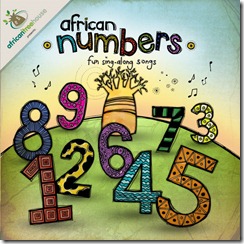
But first a bit about me: I’m one half of a songwriting/production partnership called “African Treehouse”. My songwriting partner (Erika Strydom) and I have just released our 3rd kids CD “African Numbers” and we’re using the book “Music Success in 9 Weeks” to help us spread the word. If all goes well, you can read about our progress here for the next 9 weeks.

Making an album is an enormous task. It’s sometimes frustrating, sometimes challenging. It can be extremely rewarding. It consumes your life (both in a good way and  in a bad way). It’s a journey, a destination & whole bunch of other adjectives and clichés. But it’s an absolute doddle when compared to actually selling the thing! So with all that out the way, here goes week one.

Goals

Setting out these goals has been a great learning experience already. We kind-of-sort-of knew where we wanted to go with our series of albums, but writing them down has put everything in perspective.

Short-term

One week, to one month. (Some are ongoing.)

  • Write a press release, create a solid pitch and unique selling point.
  • Put together 2 press packs (1 for South African market, the other international), consisting of a press release, CD cover artwork, photos, fan comments etc
  • Update website, Facebook with news of new release, links to purchase & links to listen
  • Alert existing customers of the new CD
  • Contact new customers
  • Post lyrics on website
 Notes: Press release & press packs have been created. Relevant web sites have been updated. We have started contacting old customers – CDs are now available from Look & Listen, Kalahari.net and we have found 2 new retail outlets for our CDs (Afro in Norwood, & African Queen in the Parks). Here’s the Press Release

Medium Term

One month to six months
  • Send press packs to (or preferably meet with in person) relevant journalists and bloggers.
  • Contact radio/TV to get interviews
  • Put idea for a contest into action
  • Begin work on CD number 4 (Stories from the Alphabet Tree II)
  • Work on a teacher’s pack to put on the website (with actions & activities for each song)
 Notes: We have started sending out press packs. 2 reviews so far: http://www.harassedmom.co.za/?p=4327 & TimesLive. We have begun work on the teacher’s packs and we’ve also started writing stories for the next album.

Long Term

A year or more
  • Contact ad agencies/brand managers to explore the possibility of linking the CD to a product or brand
  • Step up international P.R. to drive download sales
  • If contest was successful, look into doing another
  • Begin work on the next music CD in the series
  • Take a vacation!!!
  • Design point-of-sale counter display stands

Very Long Term

  • Explore turning the CDs into a TV series and/or a stage show
  • Begin manufacturing merchandise (T-shirts, stickers, posters, books etc)

Any comments or advice would be welcome…we’re learning as we go along!
Tune in next week for more “Music Success in 9 Weeks”!

Wednesday, September 29, 2010

Music Success In Nine Weeks

Ariels CyberPRMastermind
I’ve just launched a new CD (African Numbers) and my partner and I are about to start marketing it. We know we need better strategies than we had for previous CDs. We did our best with the first two albums following roughly this course of action:
  1. Buy any magazines/newspapers that look suitable for our CD
  2. Write a press release
  3. Contact the publications and send out the press release
  4. Punt the albums on Twitter & Facebook
  5. Write and rehearse a show to promote the CDs at schools, in stores, shopping malls etc
  6. Contact radio stations
We had some success with these methods, but our campaign was managed rather haphazardly (by us of course!) in fits-and-starts.
Lets face it: We’re first and foremost musicians, and the idea of promoting ourselves is rather daunting. We learned a lot. Some methods worked better than others. But it was difficult to keep momentum and follow up on leads while trying to distribute the CDs and at the same time earn a living from gigs & studio work.
So with the new album we decided to find a way to plan & structure our marketing campaign. This is where “Music Success in Nine Weeks” enters the picture. The book is by Ariel Hyatt, who runs a successful music P.R. company www.arielpublicity.com
Is the book any good? Watch this space… On the 11th of October begins the 3rd Music Success in 9 Weeks Blogging Challenge. If you’ve purchased the book you’re invited to enter the challenge (free of charge). You need to write a weekly blog detailing your progress working through the book. On completion, the blogs are judged, and the artist who has performed the best wins a 3 month campaign (among other things) from www.arielpublicity.com
So if you’d like to follow our progress, please subscribe to the blog, or check in once a week. And comments/suggestions are welcome, we need all the help we can get!
Note: I’m not affiliated with or endorsed by any of the sites/books/people listed above.

Monday, August 16, 2010

Making and selling a CD

African Numbers CD

An indie album from start to finish


This is a simplified list of the processes I use when making an album. Sometimes the order will 

change slightly and some methods may differ to suit a particular project. I'm not going into any detail, 

but rather highlighting each step along the way.


********


Conceptualise, compose, compile

Brainstorm sessions, write, rewrite, scrap, start again, write, rewrite.
This part of the process can take (from my experience) anywhere from a few weeks to a
few years. The rewriting continues through many stages of the project, tweaking along the
way.

The skeleton

Once the writing process is complete I record rough versions of the songs. I utilise a
couple of different methods, depending on the project: 
1 . "Band in a Box" is a wonderful program that is primarily a practice/learning tool. I
sometimes use it to map out the geography of the songs and to experiment with
different tempos, styles and keys. I then export the song as a midi file into Sonar
(Cakewalk Sonar Producer Edition is the audio recording package I have used for
many years) 
2 . Lay down rough guitar rhythm and melody tracks (or get vocalist to sing the melody) in
Sonar. I often use a quick and easy general midi VST instrument like Cakewalk's TTS1
during these early stages. The sounds will be replaced later by real instruments and/or 
better quality VST instruments
Very little (if any) of the skeleton is likely to remain in the finished track.

Tracking and programming

Once I'm pleased with the tempo, key and geography of the song, the real recording
process begins. Vocalist lays down a guide vocal (if they haven't already done so). Then
the rhythm section: find suitable bass/drum sounds (these may change later). Record a
more suitable bass line and drum track. Lay down guitars, and keyboards. Other instruments
such as brass, percussion, strings are added.

Artwork

Sometime before, during and/or after the recording process a designer is briefed on
the look and concept of the CD cover. Track order and final CD credits are usually only
forwarded to the designer later so that no musicians' names are left off the cover.

Barcode and online distribution

I use CD Baby as my online aggregator. I begin the registration process with CD Baby and purchase a barcode from them. (purchasing a barcode directly from them is cheaper than
buying one in South Africa and there's no annual fee). The registration process will be
completed later, once the album is complete.

Mixing and mastering

Once all the tracks are recorded, the final mix can begin. I constantly do rough mixes
during tracking, which makes it easier to do the final mixes. Once mixed, I burn a CD of all
the songs and test it in various systems: my car stereo, the cheap hi fi in my living room etc.
I also try to get a friend or two (who's judgement I trust) to listen to the CD and comment on
the mixes. Then back to the studio to tweak the mixes. Repeat.
On albums for commercial release I prefer to take the CD to a professional mastering
studio rather than attempt to master it myself. A decent mastering job adds a little "polish"
to the final mixes.

Manufacturing, paperwork etc

Get quotes from manufacturers. Before manufacturing can begin, clearance must be given
by the Mechanical royalty societies (there are currently 3 in South Africa). Songs must also
be registered with the relevant society for performance royalties (that would be SAMRO in
S.A.). The master CD and artwork are then taken to the manufacturer. Copies of the final
product need to be sent to CD Baby in the U.S.A
Around this time payments need to be made to the mastering studio, graphic designer and
manufacturer.

Pre release sheet

The pre release sheet is a one page document with CD title, cover art, bar code/Order
number, price, release date and a short description of the album and any planned
marketing campaigns. This document is then sent to customers so that they can pre order
the album.

Press release/marketing

I usually draft a press release then ask kind friends who work in P.R. and marketing to help
me edit and proof read the text. Once the press release is done, it needs to be sent (along
with the CD of course) to the media. It is pointless sending out unsolicited mail, so relevant
media people need to be phoned, mailed or met with in person.
Marketing strategies, both short and long term must be decided on and acted upon.
Website and Facebook pages need to be updated with photos, album artwork, links to
purchase the new album and links to listen to it. These pages need to be regularly updated
with press clippings, news and reviews and contests relating to the album.
People on mailing list (and Facebook fans) need to be contacted with news of the new
release, details of contests etc and where they can buy the album.

Orders

Old customers need to be phoned or called on in person to be made aware of the new
release and they are usually given a free sample of the CD. New retail outlets/avenues
must also be explored. Existing customers must be contacted at regular intervals to check
on sales.

The Future

When the CD is ready for marketing and distribution, I begin conceptualising the next
album, and the cycle repeats itself.


Our album African Numbers is due for release late September 2010.


Disclaimer: I’m not affiliated to or endorsed by any of the companies mentioned above.

Monday, March 29, 2010

Awards and retribution

Facebook_Nominee_2B 

Some years back I was booked for a three month contract, playing background jazz, five nights a week, in a restaurant at a popular holiday resort. Seemed like a great opportunity to earn some money and do some wood-shedding. My partner & I readily accepted and we were soon playing soft bossa novas and jazz standards between fake palm trees to empty tables.

The first couple of nights were great. The enormous restaurant was almost totally empty, but the hotel manager and the food & beverage manger both came to say how much they liked the music, and told to us help ourselves to food from the buffet when we were done. The week progressed and the hotel (and therefore the restaurant) remained empty.

Then things began to unravel. We spent the first week staying in a hotel room while we waited for staff accommodation to become available. Eventually we were relocated to a tiny one roomed apartment. We had been promised two furnished apartments. The place was dark & musty, covered in a layer of dust and teeming with cockroaches. The flat contained a moth-eaten couch and a bed. No cutlery or crockery. No TV. Not even a kettle.

We spent the day cleaning up the flat, and later after the gig, helped ourselves to food from the buffet as usual, a little disheartened at the thought of going back to our dingy room.

The next evening we arrived at the gig and sensed something odd was going on. None of the staff greeted us. They all appeared to be avoiding us. I called the F & B manager and asked him if something was wrong. He sat me down and gave me a lecture, telling me that the staff were pissed off that we were eating from the buffet every night. He said that it was a “privilege & not a right” and that if we asked once in a while he would probably say yes since “the food gets thrown away every night anyway”. I felt the rage build up inside of me, but managed to keep my cool. I told him that we had been under the impression that we were allowed to eat the food, but would never touch it again now that he had told us. I then took out my wallet and said that I’d like to pay for all the meals we had eaten.

Then trouble started from the hotel manager. He’d come to us in the middle of our set and say things like “The previous band played the Titanic song and the Spice  Girls”. We tried to explain to him that we’d been booked to play soft, background jazz, that there were only two of us (a guitarist and vocalist) without backing tracks, and that he should perhaps take the matter up with our agent. The hotel remained empty, and the manger & staff continued to treat us like second-class citizens.

One night we arrived at the gig & the hotel was busy and bustling for the first time. Glamorous people were walking past in evening gowns, tuxedos, Italian leather shoes, wild outrageous hats, dark glasses and various forms of glitzy celebrity attire.

During a break I asked a waiter if there was a function on and he replied that it was the SAMAs. I turned to my partner & said “This is all wrong! We’re sitting playing to two palm trees and 50 empty tables, while the rest of the music industry is being wined and dined and receiving awards. We need to change this situation!”

Shortly after that night, our contract was abruptly cancelled. On enquiring about whether or not we would get a cancellation fee as stipulated in the agreement, our agent told us to “write it off to experience”. Reasons given for our contract being terminated included “playing out of tune, and dragging”! I was terribly depressed by all of this. We were both experienced musicians and had been gigging for years, but it was still a big blow to my ego and self esteem to go through an experience like this.

We sued, and eventually were awarded an out-of-court settlement, but the incident has always left a bad taste in my mouth.

And now fast-forward ten years… We have received two SAMA nominations!
This time I’ll be wined and dined instead of playing to palm trees and empty tables. This time I don’t have to ask permission to eat from the buffet. This time I get to stay in a clean hotel room.

Music isn’t a competitive sport and winning awards doesn’t mean that you’re faster, stronger or in any way better than someone else. For me these nominations are just a reminder of where I once was and where I am now.


Our two nominations:

Stories from the Alphabet Tree          Goggatjie children's songs   

Both CDs are available from Look & Listen stores and http://www.kalahari.net/

More info: http://www.africantreehouse.com  http://www.goggatjie.com/

Thursday, September 3, 2009

Moshito: Some useful links/resources that were discussed

Moshito is an annual music conference held in Johannesburg “focused [on] broadening the business intelligence of music industry professionals in South African and the continent, strengthening business networks for participants and informing delegates, traders and the public about the multifaceted and dynamic nature of the global music industry.”

Here are a few sites that were discussed at the conference that I found interesting:

South African Sites:

www.speakerbox.co.za (Sort of a MYSpace for S.A. bands)

www.overtone.co.za “Overtone is a band bookings agency, music industry administration service provider and an events management company.”

http://www.entertainmentafrica.co.za/ (news site)

http://www.rhythmmusicstore.com/ (South African MP3 download store)

http://www.tunegum.com Gig guide & tickets for events


International Sites:

http://www.bandcentral.com/ “In a nutshell, BandCentral is an online band manager with all the tools you and your band members need to manage your band.”

http://themusic.com.au/ All things to do with Australian music. But also has great music business and news articles.

http://www.mediafuturist.com/about.html A lot of great information about the music industry & where it is headed

http://hypem.com/ “To put it simply, the Hype Machine keeps track of what music bloggers write about”

http://www.99dollarmusicvideos.com/ “independent music network dedicated to merging low-fi, cutting-edge videos [made for less than $99]with the best of today's music scene”

http://microfundo.mymondomix.com/ “MICROFUNDO will help you fund your music career. Need capital for your next recording? Looking for financial support for your next tour? We can help you raise funding directly from your fans and develop a core fan base from across the globe”

http://www.radarmusicvideos.com/ Post a brief for a music video, and music video directors will bid on the job.

http://www.songlink.com/ Tip sheet of producers/artists etc looking for songs

Wednesday, August 19, 2009

The business of songwriting

DSC09800

This post is based on a recent talk I gave at COPA (Campus of Performing Arts)

Its based purely on my own methods and findings

How I got started

I decided years ago that I wanted to be a songwriter. I’d always written songs, but never seriously and I’d never tried to make a living from it. I wanted to be a songwriter, but I wasn’t one. I was too busy being a gigging musician. A book I read gave me a wake up call: I realised it was pointless wanting to be a songwriter and that I should either give up the idea, or really try to work at it. (By the way the title of the book is irrelevant & it was a crap book except for one inspiring chapter, so I’m not going to advertise it here!) I made a conscious decision to do something about it and started to work on a plan of action…

I read Pat Pattison’s book “writing better lyrics” which gave me some amazing techniques and ideas. I worked with a partner & drew up a schedule and we wrote together on a regular basis as if we had a day job. I started telling everyone I knew that I was a songwriter. It took about a year until we got our first professional writing job: A friend asked us to write songs for an educational show to be performed at schools. The show was successful and the songs were well received. We were hired to do two more shows.

Soon after that we found a singer who was looking to record an album. We wrote, recorded and produced the entire album (except for 1 song). She licensed the album to Gallo Records, and we watched as the album become a monumental flop! My partner and I did all the writing and recording for free and earned a whopping R35 each from album sales. However it was the cheapest and best education I could ever have received. From that one album I learned about sales, marketing, distribution, contracts (get a lawyer!), performance royalties, mechanical royalties  and most importantly I learned a lot about songwriting.


My philosophy: All writing is good for you

Since then we’ve written in wide variety of styles for radio & TV commercials, theatre productions, meditation CDs, pop artists, kid’s CDs and a bunch of other stuff. I’m a songwriter, I’m happy to take on the challenge of writing in any style. I’ve lost the musical snobbishness I had as a student.

The obvious starting point is to write. And write. And write. There are many courses & books around to help you, but that’s not what this article is about. As with anything in the music industry you have to be good at what you do. That’s a given. I’m assuming that you’re already at a point where you’re writing songs and are looking for a way to make a living as a songwriter. You have to build up a library of songs, and they have to be recorded. Properly. There is no such thing as a demo anymore. Demos are unacceptable. Your songs need to be adequately recorded and produced. If you don’t sing well enough, pay a session vocalist or barter with one. I recommend setting up a simple home studio as it is far cheaper to do than always having to pay studio time.

Something that I have found invaluable is having a songwriting partner. Someone to share the writing means less insecurity that you may be writing crap, and also helps to take you in directions you wouldn’t otherwise consider. A songwriting partner may also add skills/talents that you lack, such as a different vocal range, a good keyboard/guitar player etc.

Now back to the part where I assumed you already have songs recorded. What do you do with them?


Here is a list of things I’ve done (and often continue to do)

  1. Tell everybody and anybody who will listen that you are a songwriter. Work often comes from places where you least expect it.
  2. Make sure your songs can be heard easily by anyone. This means carrying CDs with you; putting up a website, MySpace page, FaceBook page etc.
  3. Keep your ears open for bands/artists going into the studio to record, and remind them that you’re a songwriter.
  4. Pitch your songs to artists or bands whenever you can. Be careful of playing just any of your material though, make sure it fits their style.
  5. Network. In real life and online. Go to jam sessions. Hang out with musicians. Try and meet people in the record industry and the advertising industry. Use FaceBook, Twitter, write a blog or whatever else is out there. Engage with people.
  6. Be an opportunist. Always be on the lookout for ways to market yourself. My partner & I were commissioned to write a love song for a woman who wanted to propose to her boyfriend. We approached Radio 702 and the whole thing was broadcast live on radio.
  7. Join sites like Songlink and Taxi but be warned: Songlink and Taxi are expensive and there there are some dodgy sites out there waiting to take your money. Do your research before paying for anything and have a library of songs ready to send.
  8. Read and contribute to relevant forums. You’d be surprised at the amount of information out there. A few that I like: Sound on Sound, Cakewalk, CD Baby, Composers Association of S.A. (CASA)
  9. Get a routine. Write regularly. You’ll start to develop a method and a style.
  10. Carry a notebook around and always be on the lookout for song ideas. Write them down, record them into your phone.
  11. Don’t be too precious about your songs. Be open to criticism, but be aware of who who is doing the criticising. If it is someone you respect, take note, if it’s not then take it with a pinch of salt.
  12. Pump Audio licenses independent music for film, television & commercials. As with anything, do some research before sending them your music.
  13. CD Baby is a great place for indie musicians to sell their music
  14. Some good places for info on various aspects of the music industry: http://sivers.org/ http://blog.artistshousemusic.org/  http://www.arielpublicity.com/

The business side

I learned most of the business stuff the guerrilla way, by making mistakes and later the right way from Donald S Passman’s “All You Need to Know About the Music Business”. It should be mandatory reading for all musicians

Join Samro immediately. They will handle your performance royalties.

I use Norm for my mechanical royalties, but there are other organisations handling mechanicals too.

DO YOUR HOMEWORK BEFORE JOINING! This means reading the organisations literature, asking them as many questions as you need to. Ask other industry professionals for advice. 

DON’T JOIN AN ORGANISATION OR SIGN A CONTRACT WITHOUT BEING TOTALLY CLEAR WHAT YOU ARE GETTING YOURSELF INTO.

Conclusion

For me songwriting has become the primary focus of my career, but I’ve had to be creative to be able to make a living from it. I’ve learned to create my own platforms for selling my songs which include recording, distributing and marketing my own CDs. Empower yourself by learning all there is to learn about your craft and that includes the recording/programming techniques, marketing, distribution and sales.

Songwriting is a great way to earn a living even if you don’t ever have that number 1 hit song in the U.S.A. Getting enough good work in circulation in enough places should see you getting a fairly steady stream of income, and who know perhaps that hit will come along when you least expect it.

Good luck!

Friday, August 7, 2009

People die from exposure.

DSC00489 So my songwriting partner & I write a song. We hear that a popular local TV drama is looking for a song for one of their characters to sing, and our song happens to be the right genre. We submit it. They love it. In fact they gush. And ask us to submit another. They love it even more, and shower us with praise. They’d love to use it in an episode and they’d like us to record their cast member singing it. We’re ecstatic. They tell us how they had paid a well know local songwriting team loads of money to come up with something suitable and it wasn’t a patch on ours.

And then came the bad news. There was no more budget left to pay us anything. “But think of the exposure”.

Ok, I’m thinking about the exposure:

  1. Our song gets played on national TV. But wait, how will anyone know it’s our song? Oh, of course we’ll be credited. I’ve seen those credits zoom across my screen so fast I’m not even sure what language they’re in. And does anyone actually even try to read them?
  2. The cast goes on a national roadshow and our song may be performed all over the country. Great. Remind me how that benefits me? Oh yes, the singer will be singing along to backing tracks recorded by me…for free.
  3. The singer might record our song on an album. Which might sell. And we would then receive our share of the 6.7% mechanical royalty (divided by the number of songs on the album, and based on the wholesale price of the CD)

So I go to my dentist and say. “You’re actually quite lucky. I can’t pay you, but you see, I’m a musician, and I play a lot of high profile gigs and whenever someone sees my lovely smile, think of the publicity you'll get.”

Monday, March 23, 2009

Pros and cons of being a freelance musician

Band members in Lagos, Nigeria 

Pros

  1. I can go to gym during "geriatric hour" (mid-morning or afternoon) when the only people there are a few old-timers. Makes me feel like superman.
  2. I can take a vacation anytime I want to.
  3. I have no boss.
  4. I get to play different kinds of music and work with amazing musicians.
  5. I get to travel to interesting places
  6. I can turn down work if I want to (this is an important one, believe me)
  7. I get to write music, record music, market music and perform music.
  8. I seldom have to negotiate Johannesburg traffic
  9. I can sleep in or take a day off if I feel like it.
  10. I get paid to play music

Cons

  1. When taking vacations I don’t earn any money.
  2. It is sometimes difficult to find the motivation to be proactive.
  3. I get to travel to interesting places: Lagos
  4. I have to save money for the quiet periods.
  5. I have to be a jack-of-all trades: I get to write music, record music, market music and perform music.
  6. I have to sometimes chase after people to get paid.

Technorati Tags: ,,

Sunday, March 15, 2009

The music is the easy part

Been thinking about this lately.

Self portraitMusicians spend hours practicing and learning. If they are serious, this caries on until the day they die. If Malcolm Gladwell is to be believed, it takes 10 000 hours to be good at what you do. We have our work cut out for us just trying to be competent never mind virtuosos!

So why then do we have to spend so much time dealing with all kinds of other non-musical stuff? Because we have to eat. And some of us want to do more than just eat. We’d like a car and a house, and possibly a family to fill the car and house. A vacation once in a while could be nice too.


So over the years I’ve had to learn about:

  • Tax (OK that's still a bit of a mystery to me)
  • Dealing with drunk, slobbering people at gigs.
  • Getting money out of unscrupulous club owners/promoters
  • Marketing, selling & distributing CDs (one of my most time-consuming and difficult pursuits!)
  • Dealing with ridiculous requests: Guitar and vocal duo playing jazz at a cocktail party being asked to play “dance music”. I still get offered work and am told “it doesn’t pay, but it will be great exposure” or “I can’t pay you, but it will be lots of fun!” (try telling that to your doctor or lawyer).
  • Dealing with insults: “You’re not bad, but have you heard (insert name here)?” “You guys sound great, but if you really want to make it you should play some John Denver”. “I love your music, you sound just like (insert any crap artist here)”. Being mistaken for a waiter by someone who has spent the whole night dancing 1 meter from the stage….
  • Managing money (I’m still working on this one). My life gravitates from being paid badly for a nice gig, to being paid obscenely well for an awful gig. Then there are the quiet periods where I think how I should have saved some money from the obscenely well-paid gig.
  • Spending many long, painful days working on ideas for a jingle, only to be told on submission that the brief has changed.
  • Wearing ridiculous costumes on stage.
  • Doing gigs under bad working conditions or in strange places (see last post) – I’ve played on heaving ships, behind salad bars, outside in freezing cold conditions (whilst everyone is indoors), next to a parrot who squawked louder than my guitar amp, in the lingerie department of a large store….

Practice? What? When?

But then again I wouldn’t change my career for anything. As a result of music I have travelled, met amazing people and worked with some fantastic musicians. So I’ll carry on trying to learn how to deal with unmusical things things and try and find the time to practice!

Technorati Tags: ,,